

Podscribe has been able to model the impact of YouTube views in simulcasts, but many YouTube channels/shows are bought without an audio (RSS) component. That’s why Podscribe is excited to introduce YouTube-only modeled attribution, a new way to measure campaign performance specifically for YouTube-only influencer campaigns.
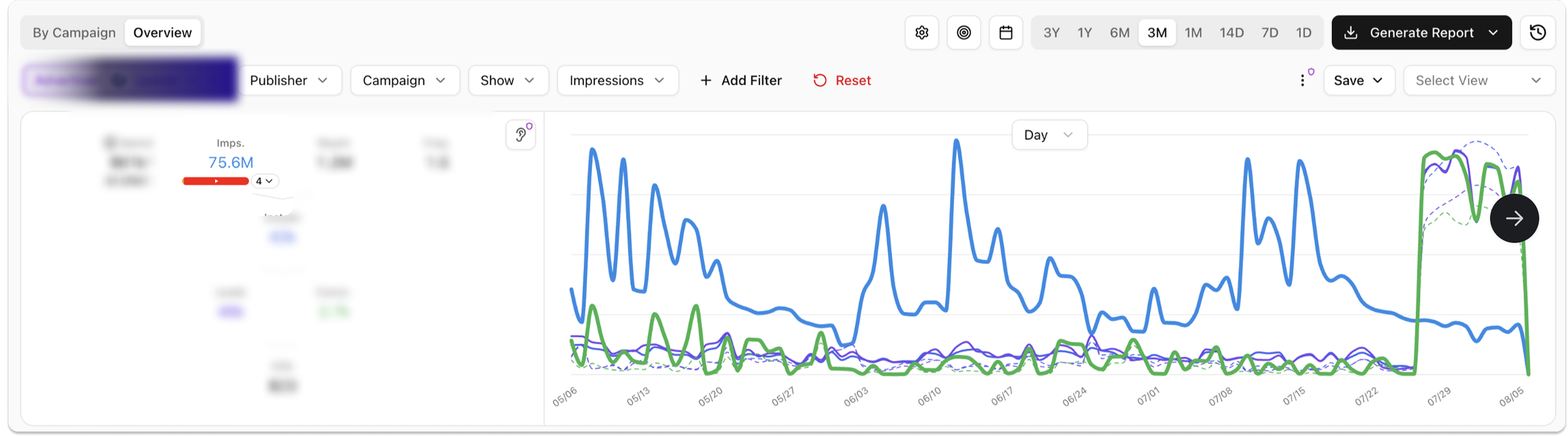
It’s important to note that YouTube-only results are modeled estimates rather than direct user-level attribution. Modeled attribution is only useful if the estimate reflects real-world performance.
Instead of directly connecting an individual YouTube impression to a conversion, Podscribe extrapolates expected YouTube outcomes using comparable performance observed from the campaign’s attributable audio impressions along with video and ad specific signals.
This probabilistic approach gives advertisers a practical way to understand YouTube performance, but does not let Podscribe identify specifically which viewers converted, as can be done in audio.
Our YouTube-only model is anchored in the advertiser's observed audio performance, so audio conversion data is required to calculate YouTube-only attribution. If we don't have an audio conversion rate for an advertiser, we cannot currently provide YouTube-only modeled attribution.
How it works
Because direct user signals aren’t available for YouTube impressions in the same way they are in the open RSS ecosystem, Podscribe blends observed audio performance with video specific details to model impact.
1. Establish an advertiser-specific performance baseline
Podscribe starts with the response rates of that advertiser for podcast downloads, and specifically episodic buys if they’re available. We then apply the incrementality factor for that advertiser to get an incremental response rate for the advertiser.
2. Tune for each specific ad and video
Then, we use the following context from the video and ad to adjust for each campaign the brand’s incremental response rate:
Where the ad appears within the video
The percentage of the show’s subscribers who are international
Engagement rate for the individual video (how many comments per view the video gets)
Promo code, vanity URL and “How Did You Hear About Us?” (HDYHAU) response data, as available
Ad type, e.g. whether the host read the ad on camera or if the ad simply had the brand's static image. (coming soon)
Together, these signals allow the model to account for meaningful differences between YouTube videos. A highly engaged video with favorable campaign characteristics, for example, shouldn’t necessarily be expected to perform the same as a lower-engagement video simply because they generated the same number of views.
These signals are the same that are used in our Smart YouTube modeling announced earlier this year .
3. Model YouTube-only video conversions
Podscribe combines the advertiser’s baseline response rate with these video specific signals to estimate each YouTube’s ad incremental impact.
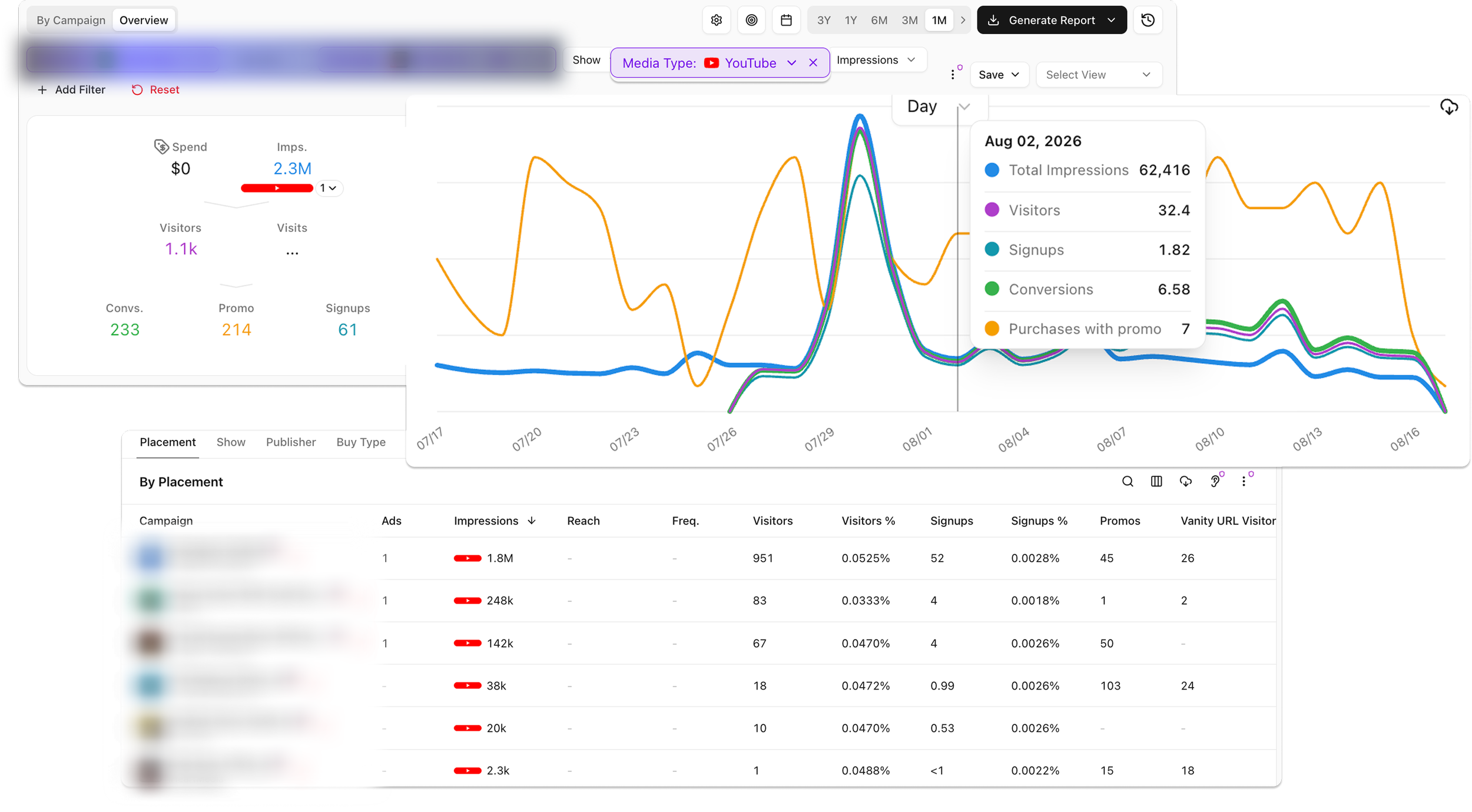
How we’ve validated the model
We’ve tested our YouTube modeling against first-party signals from advertisers. Our validation includes comparing conversions estimated by our YouTube model to:
Promo Codes and Vanity URLs
HDYHAU / survey response data (e.g. Fairing)
These comparisons help us evaluate and tune how closely modeled YouTube results reflect the performance indicated by independent advertiser data.
Availability
YouTube-only modeled attribution is automatically available for pure-YouTube campaigns at NO CHARGE through October 31, 2026.
Beginning November 1, 2026, standard simulcast impression-based billing will apply.
Don't want or need YouTube-only attribution? Reach out to
adops@podscribe.com
and our team can disable it for you.
Soon, you'll also be able to manage this setting directly within the Podscribe dashboard.
